1. Blitz or a showtime?
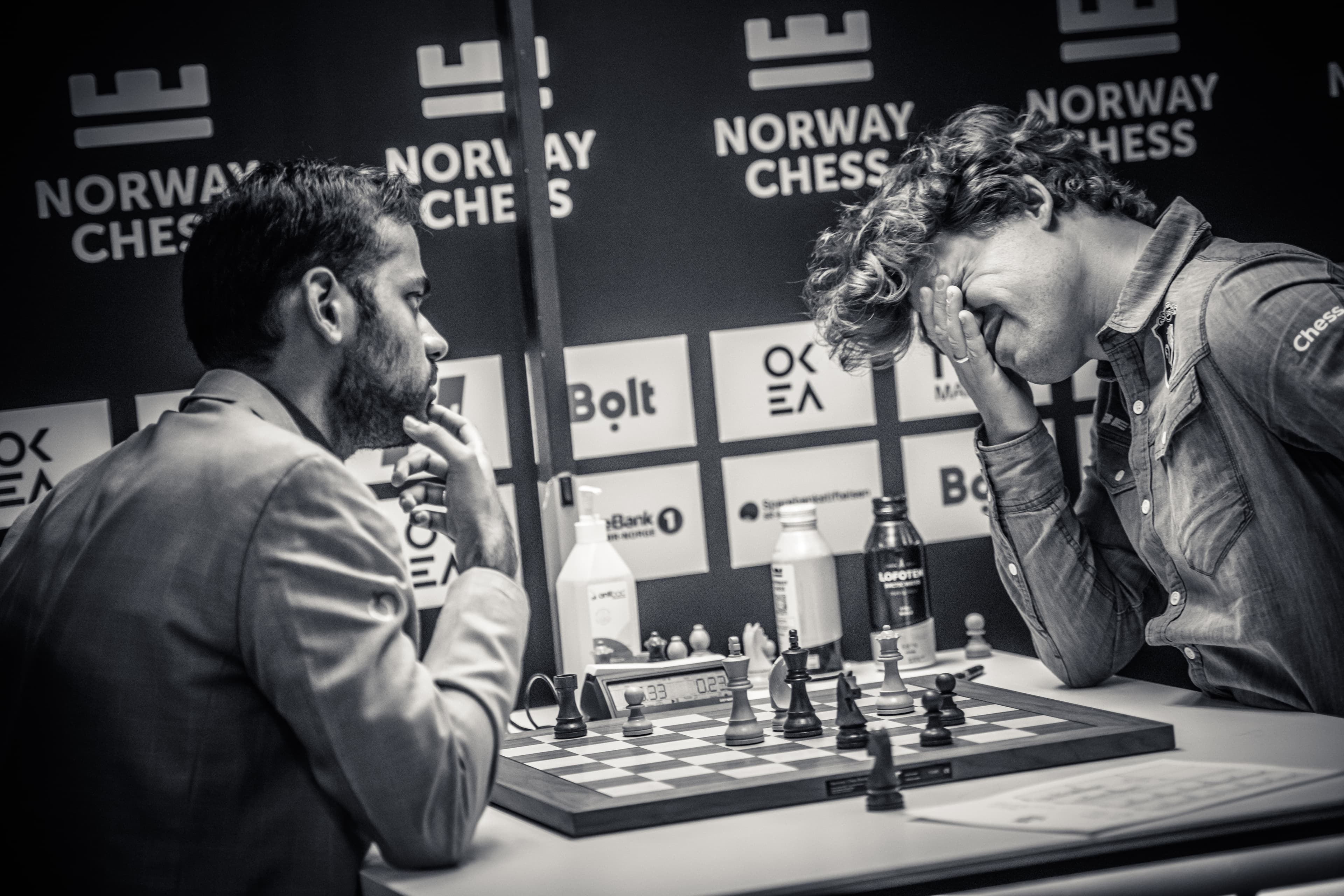
Blitz is definitely the sprint of chess. In this format, each player has 3 minutes plus a 2-second increment per move (3+2). This means each player starts with three minutes on the clock and receives an additional two seconds after each move. This is one of the shortest time controls played over the board during tournaments. The quickly ticking clock forces players to greatly rely on their intuition, which gives players a lot of room for blunders and topsy-turvy games. Thanks to that, it is filled with emotion and is greatly enjoyed by fans.
2. Rapid – It's All About Balance
Rapid chess offers a balance between speed and strategic depth. With 15 minutes on the clock and a 10-second increment per move, players have more time to calculate variations and develop their plans than in blitz, while still facing considerable time pressure. They must find the right balance between thinking deeply and acting quickly, knowing that spending too much time on one move can leave them in trouble later in the game. Unlike blitz, where intuition often plays a crucial role, rapid allows players to explore more complex positions and consider different options before making a decision. However, they still need to manage their time wisely and adapt to changing positions. In rapid, success comes from knowing when to calculate and when to trust your instincts.
Credit: Norway Chess / Michal Walusza
3. Trendy Fast Classic
The newest and very popular format nowadays is Fast Classic. It replaces classical long games, so more than one game can easily be played during the day. With 45 minutes on the clock and a 30-second increment per move, players have more time to explore complex positions and develop long-term plans, while still needing to make accurate decisions under time pressure.
It aims to give players enough time for deeper calculations while still shortening the duration of the game. In today’s chess world, where players and fans seek more emotion and adventure, Fast Classic seems to be an interesting alternative and a bridge between classical and rapid games.
Credit: Norway Chess / Michal Walusza
Each time control has its own characteristics and emphasises different skills. Players adjust their play according to the time control, which is an interesting phenomenon in the chess world. But who does it best? Who can easily switch from blitz to fast classic? We will see after the pilot and the full tour!
Prefer to watch?
Here’s the time controls explained in under a minute.